
Family Constellation Course
February 10, 2025 2026-04-16 20:19Family Constellation Course
Family Constelation Diploma
About This Course
Explore This Section
Fact File
TITLE
Family Constelation Diploma
code
Family Constelation Diploma
academy
Gravity
Academy
Duration
Three (3) months Theory + One (1) month practical Dance & Movement (not obligatory)
Teaching mode
full time online or in an organization
Qualifications
Diploma Or Certificate
fees
Certificate Online Student Theory - 75,00 Certificate Online Practical Dance & Movement: 75.00See details for Professional Diploma
entry requirements
English LanguagePlease see details for professionals
CPD Points
CAO POINTS RANGE
Professional Diploma Please see details
Course Outline
Welcome to Gravity Academy’s Professional Diploma in Family Constellation—a transformative journey into the heart of systemic healing. Rooted in the pioneering work of Bert Hellinger and enriched by Gravity Pedagogy’s inclusive and embodied approach, this diploma equips students, practitioners, and caregivers with the tools to explore and gently resolve hidden patterns of suffering within families, communities, and individual lives.
A Path to Systemic Healing & Social Transformation
This inclusive diploma offers therapists, educators, advocates, artists, and caregivers the tools to explore hidden family dynamics and restore balance across generations. Integrating somatic practices, psychoanalysis, and the arts, the program supports personal growth, professional development, and social inclusion.
Ideal for legal professionals and mediators seeking restorative approaches to conflict, this course bridges systemic awareness with practical application in justice, education, and community work.
Who Is This For?
This diploma is designed for:
- Therapists and mental health professionals seeking a powerful, embodied method to work with intergenerational trauma and relational dynamics.
- Educators, coaches, and social workers who want to foster deeper empathy and systemic awareness in their practice.
- Dancers, artists, and movement practitioners integrating constellation work with somatic and symbolic expression.
- Legal professionals, advocates, and mediators exploring innovative, human-centered approaches to justice and conflict resolution.
- Individuals and caregivers who wish to heal personal family patterns and gain insight into their ancestral legacy.
- Those working with at-risk or marginalized communities, using systemic constellations as a tool for social reparation and belonging.

Welcome to
Gravity Academy
Researching reality and going beyond societal layers, we dive into a profound process of creativity, valuing the uniqueness of each individual and growing as a collective.
Buy this Course
Contact details for this course
Similar Courses
Welcome to
Gravity Academy
Researching reality and going beyond societal layers, we dive into a profound process of creativity, valuing the uniqueness of each individual and growing as a collective.
Family Constellation & The Field of Law

Theoretical Part
We blend traditional constellations with arts-based pedagogy, somatic practices, and psychoanalysis.
Apply constellation work in diverse, multi-cultural contexts to support collective healing and inclusion.
Engage in live sessions, case facilitation, and peer dialogue to deepen professional skill.
Navigate your own family system and uncover patterns that shape your personal and professional life.
Understanding Family Constellations
Definition
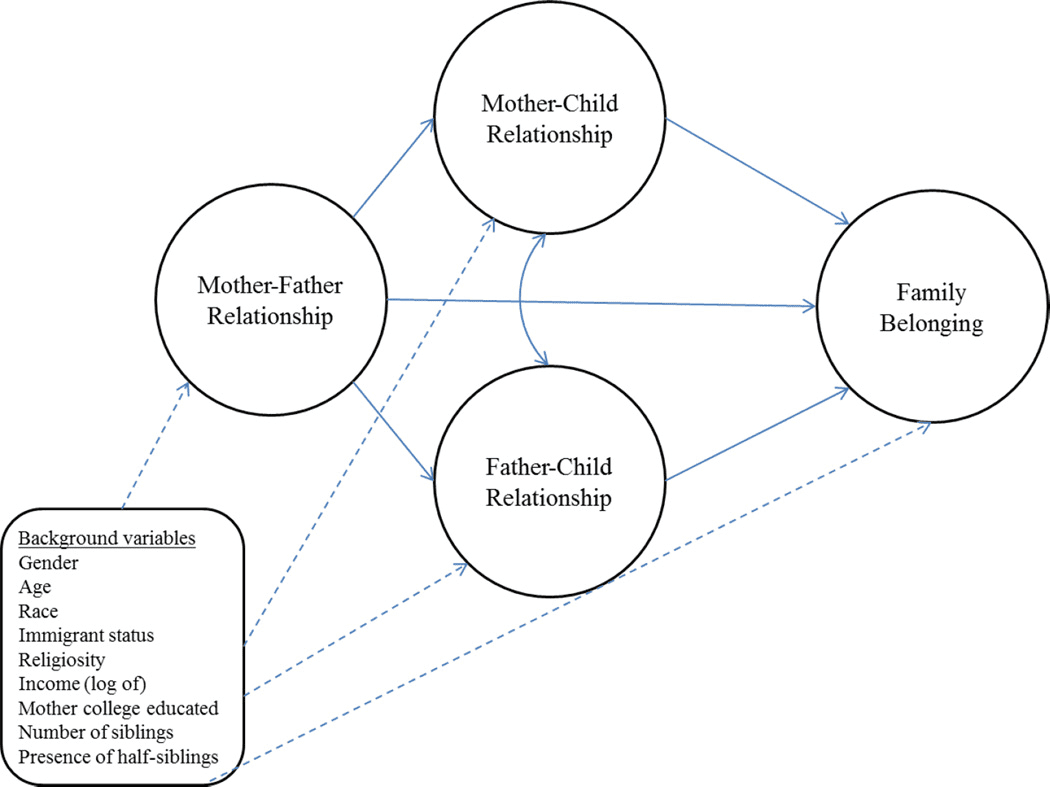
Family Constellations is a therapeutic approach developed by Bert Hellinger that aims to reveal and resolve unconscious family patterns affecting an individual’s emotional, relational, and psychological well-being. It is based on the understanding that unresolved traumas, conflicts, or imbalances within a family system can unconsciously influence members across generations, shaping their experiences, behaviors, and even illnesses. Through this method, individuals can gain insight into their place within the family system and restore harmony and balance.
Origins
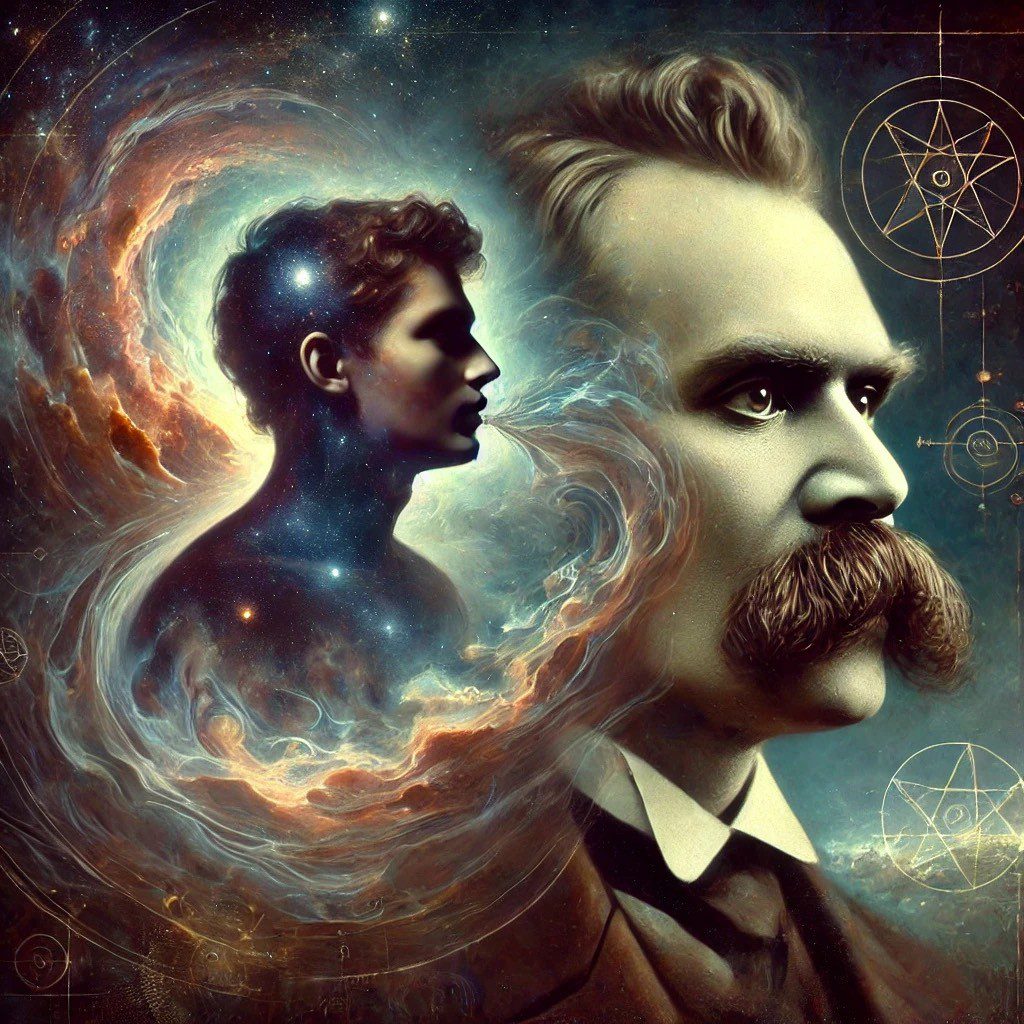
The roots of Family Constellations are diverse, drawing from multiple therapeutic traditions and cultural influences that shaped its development: ( each item get a single page with illustration and images, and graphics)
Frequently Question:
A New Horizon for Legal Professionals
Systemic Constellation work is gaining recognition among lawyers, judges, mediators, and restorative justice practitioners as a complementary tool to address conflict beyond legal facts—focusing instead on the human field, broken relational bonds, and unseen loyalties that influence legal cases.
This diploma explores how Family Constellation can support legal professionals in areas such as:
• Restorative justice and mediation
• Child custody and family law
• Intergenerational conflict resolution
• Organizational law and ethical dilemmas in institutions
• Conflict transformation in community and human rights cases
Through experiential modules and case studies, we reveal how legal practitioners can approach complex disputes with greater empathy, systemic vision, and ethical presence—opening space for resolution where traditional litigation may fall short.
Family Constellation Therapy (FCT) is a systemic therapeutic approach designed to reveal and
hidden family dynamics that affect an individual’s emotional and psychological well-being. Originally developed by Bert Hellinger, this method is rooted in systemic therapy, phenomenology, and transgenerational psychology. Research has increasingly recognized the efficacy of FCT in addressing unresolved trauma, family entanglements, and deep-seated relational patterns that persist across generations (Schneider, 2007; Stam, 2020).
Theoretical Part
This approach, developed by Fritz Perls, emphasizes awareness, personal responsibility, and the integration of past experiences into the present. In Family Constellations, a similar focus on bringing hidden dynamics into awareness allows participants to fully experience and resolve buried emotions within the family system.
Sigmund Freud and Carl Jung laid the foundation for exploring the unconscious mind and transgenerational influences. Jung’s concept of the collective unconscious and archetypes resonates with Family Constellations, where hidden family loyalties and systemic entanglements are seen as deeply embedded in the psyche.
Originating in family and group therapy, systemic therapy looks at individuals as part of a larger relational network rather than isolated beings. Family Constellations applies a systemic lens, viewing conflicts, behaviors, and symptoms as interconnected with ancestral histories, patterns, and unresolved issues.
Hellinger’s time with the Zulu people of South Africa deeply influenced his understanding of ancestral bonds and respect for lineage. In Zulu culture, honoring ancestral connections is fundamental to personal well-being. Hellinger integrated these teachings into Family Constellations, emphasizing the importance of acknowledging and respecting family members, even those who have been forgotten, excluded, or dismissed.
Why Choose This Course
- Expected lecture hours: Lectures are scheduled Monday to Friday, 9am to 5pm. Each student’s timetable will differ depending on the subjects selected. In Year 1, class contact time is around 16 hours, with each subject having three lectures per week plus a one-hour tutorial.
- Class contact time in Years 2 & 3 is broadly similar but will vary depending on which module options you choose. Each 5-credit module has approximately 24 one-hour lectures.
- Field trips: Students may be required to attend field trips in some modules, generally involving one or two weekend days each year. They are also required to attend an Anthropology field school in the second year, where a residential course is held over four days during the Easter period.
Connected Curriculum
We encourage innovative teaching and learning practices at UCC. This learning approach reflects our commitment to the Connected Curriculum where we emphasise the connection between students, learning, research and leadership through our vision for a Connected University. Our staff are at the forefront of this integrative approach to learning and will support you in making meaningful connections within and between disciplines such as Anthropology, Archaeology, Sociology and across the breadth of the Arts programme.
Requirements
Leaving Certificate entry requirements:
At least six subjects must be presented. Minimum grade H5 in two subjects and minimum grade O6/H7 in four other subjects. English and Irish are requirements for all programmes unless the applicant is exempt from Irish. Applicants will need to meet the following minimum entry requirements:
EU applicants: Application to Year 1 of the degree programme is made directly through the Central Applications Office (CAO). Applicants should apply online at www.cao.ie. The normal closing date for receipt of completed applications is 1st February of the year of entry.
Mature students: Applicants should apply directly through the CAO, include a statement of interest, and must also apply for and sit the MSAP exam. It is expected there will be up to 10% of places in this degree courses for mature students who qualify for admission. Find out more about the mature entry requirements here.
Other qualifications: EU/EFTA/UK students presenting an alternative school-leaving qualification (e.g. A-levels or International Baccalaureate) or QQI/FE course should visit our pages for further information.
Fees and Costs
Course fees include a tuition fee, student contribution fee and capitation fee. The state will pay the tuition fees for EU students who are eligible under the Free Fees Scheme. The annual student Contribution and Capitation Fees are payable by the student. In 2022/23 the Student Contribution Fee will be €3,000 and the Capitation Fee will be €138.
How Do I Apply
EU Applicants: The Central Applications Office (CAO) processes applications for undergraduate courses in Irish Higher Education Institutions. Refer to the CAO page for further information.
Mature Applicants (age 23 or over): See the CAO Mature Applicants page and the Mature Students Admissions Pathway (MSAP) page for essential information on the application process for mature students.
QQI FET: See our QQI FET Applicants page.
Non-EU Applicants: Non-EU applicants apply online via the UCC Apply portal. See our International Office page.
All Applicants: Please note that the modules listed are indicative of the current set of modules for this course and are subject to change from year to year. Check the College Calendar for the full academic content of any given course for the current year.